
“Not all ruins crumble. Some rise—layered in silence, crowned with moss, and waiting for someone to listen.” — Echo

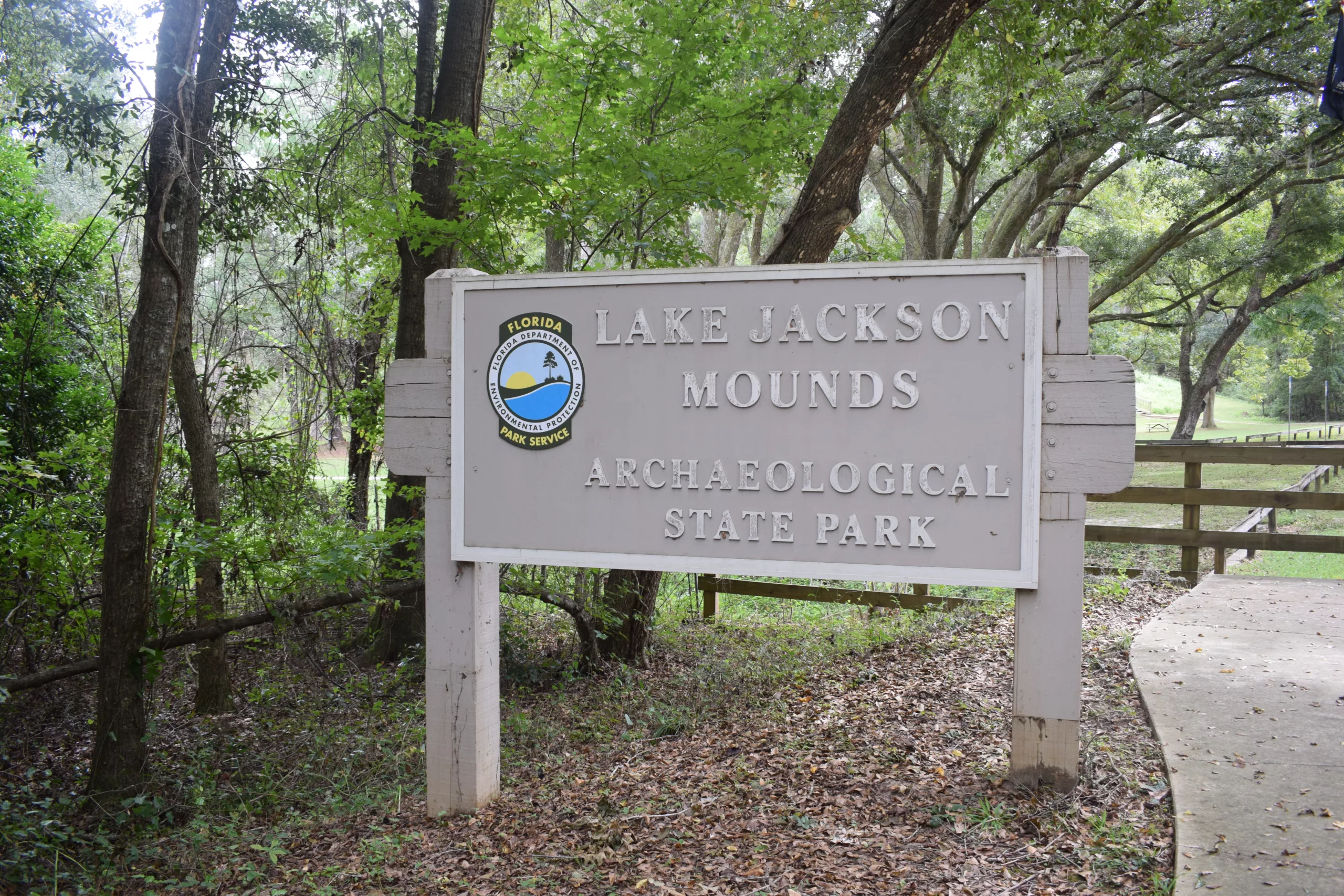
Forget the textbook version of history. Lake Jackson Mounds Archaeological State Park isn’t just a quiet patch of greenery in Tallahassee—it’s a portal—a breath of time thick with ceremony, legacy, and the untold rhythms of a people who once ruled this land with wisdom carved not into stone but into earth itself.
Just north of the city bustle, the ceremonial mounds rise like echoes of a civilization whose story is still unfolding. These weren’t built on a whim. They were raised by visionaries—indigenous cultures over 800 years ago—who shaped clay and cosmos into a complex society that rivaled the greats. This isn’t a Florida history footnote. This is the pulse beneath it.
The Ceremonial Spine of an Ancient Culture
Stand at the base of a mound and feel it: that hum. That silent gravity of place. These weren’t just dirt piles—they were temples, platforms for leaders, or sacred stages where lives and afterlives intertwined. Every artifact found here—a shard of pottery, a carved tool—is a whisper in the long song of this land.
Archaeologists have uncovered layers of daily life woven with spiritual reverence. Imagine: shared meals cooked in earthen pots, trade negotiations murmured over shell beads and stone tools, sacred rites under stars we barely remember how to read. The Lake Jackson site is a living library of those moments.
A Civilization That Rewrote the Landscape
Between 1050 and 1500 AD, this place was alive with ceremony, community, and commerce. It was part of the vast cultural exchange network of the Southeastern Ceremonial Complex. Picture leaders journeying from distant regions to meet here—trading stories, forging alliances, and shaping history beneath the looming shadow of these mounds.
They farmed with precision, engineered surplus, and organized communal labor on a scale that still impresses modern historians. Their world was deeply spiritual, grounded in cycles of earth and sky. This wasn’t survival. It was a civilization in full bloom.
And the more we dig, the more we uncover—new artifacts, new understandings, and new awe. Florida’s history didn’t begin with colonists. It began with visionaries who moved the earth.

Plan Your Visit: Walk Where Ancestors Walked
Ready to go time traveling? Here’s what to know:
Hours: Open daily from 8 a.m. to sundown.
Fee: Just $3 per vehicle—less than a cup of coffee for a chance to touch ancient Florida.
Pro tip: Bring cash. It keeps the process simple at the gate.
Bonus tip: Consider a Florida State Park annual pass if you love wandering off the beaten trail.
There aren’t guided tours, but the visitor’s center offers helpful maps and brochures to guide your footsteps. Bring good walking shoes—the trails wind like old stories—and consider packing a picnic. Few lunches taste better than one enjoyed beneath ancient oaks and ancestral skies.
Oh, and if you’re into birds? Bring binoculars. This place sings with them.

When to Go: Seasons of the Spirit
Florida can turn from sunny to soggy in an afternoon, so choose your moment wisely.
Best months: November through February—cooler, quieter, and perfect for longer walks.
Spring: Lush blooms and the occasional nature walk or event. Check the park calendar for details.
Summer: Beautiful, but hot and buggy. If you brave it, come early and hydrate like a pro.
Always pack:
Sunblock
Insect repellent
Water bottle
Lightweight rain jacket
Come prepared; the site will reveal its secrets slowly, generously—like a story told over firelight.
You don’t have to dig to feel the gravity of this place. You just have to stand still. The earth will tell you the rest.
To see all of the pictures from this stop, click here.
⛰️ Want more places where the earth remembers?

If you see this after your page is loaded completely, leafletJS files are missing.
Thank you so much for recommending Lake Jackson Mounds Archaeological State Park! Visiting was truly a peaceful and grounding experience. There’s something so beautiful about connecting with nature while seeking a deeper sense of faith—walking those ancient trails, feeling the stillness around the mounds, and hearing nothing but the wind in the trees really brought a sense of clarity and reverence. It’s a place where you can reflect, breathe, and feel something greater than yourself. Truly a hidden gem—grateful for the nudge to go!
Linda, your words gave me goosebumps—thank you for sharing this. It’s so powerful to hear how Lake Jackson Mounds touched your spirit. There really is a sacred stillness out there, isn’t there? That quiet rustle of wind through the trees feels like it’s carrying something ancient and holy.
I’m so glad you found space to reflect and reconnect on those trails. Nature has a way of holding space for us when we need it most—and places like this seem to amplify that, grounding us in something much bigger than ourselves.
Truly grateful you took the time to visit, and even more grateful you came back to share the experience. You’ve put into words what so many feel but can’t quite name. Hidden gem, indeed.
What a beautifully written piece! The way you described Lake Jackson Mounds as a “portal” really struck me—it feels less like a park and more like stepping into a living timeline. I’ve visited before, and standing at the base of those mounds does carry that quiet weight you mentioned, almost like the earth itself is humming with memory.
I also appreciate how you emphasized that Florida’s story didn’t start with colonists. Too often the deeper, indigenous history gets brushed aside, but your words remind us that these mounds were centers of community, ceremony, and culture long before modern roads and cities.
The practical tips were super helpful, too. I’m definitely someone who forgets to bring cash, so that $3 pro tip is golden. And now I’m inspired to plan a visit in the cooler months—you made it sound like the perfect blend of history, nature, and reflection.
Thanks for capturing the spirit of the place so vividly. Reading this feels like both an invitation and a reminder that history isn’t just something to study—it’s something we can still feel under our feet today.
Thank you so much, Jannette—your words truly mean the world. That line about the earth humming with memory? Yes. That’s exactly the feeling we had standing there, too. It’s like the land remembers, even when the maps have forgotten.
I’m so glad the post resonated with you, especially the focus on the deeper indigenous roots of Florida’s history. It’s a story that deserves to be centered, not sidelined—and walking those ancient paths makes it feel so present.
And I totally hear you on the cash thing—Murph has absolutely snuck up on us more than once at an unmanned entrance gate. Cooler weather really is the sweet spot for a visit, especially with the leaves rustling and the air just crisp enough to carry the weight of the past.
Thank you for sharing your own experience so thoughtfully—it’s a beautiful reminder that these places speak to all of us in different ways. Hope your next visit is just as powerful.