

There are places that preserve history… and then there are places that feel like they rescued it.
The Pioneer Museum of Alabama is one of those places.

At first glance, it looks like a collection—cabins, tools, artifacts gathered neatly together. But the longer you spend there, the more you realize this isn’t just a museum. It’s a second chance for stories that were almost lost.
And somehow… it all started with what most people would’ve called junk.
The Story Behind the Place
In the late 1960s, Alabama was moving forward fast. Modernization was reshaping the landscape, and with it, pieces of everyday life were quietly disappearing.
Old barns collapsed. Tools rusted where they were left. The kind of knowledge that once passed from hand to hand… started fading into memory.
But Curren Farmer saw something different.
Where others saw scrap, he saw fingerprints—evidence of lives lived with grit, creativity, and resilience. As a teacher at Troy State University, he understood that history isn’t just written in books. It’s held in the objects people leave behind.
So while the world cleared space for the future… he started gathering the past.
How It Grew Into Something More
Of course, one person collecting relics can only go so far without support.
That’s where Margaret Pace Farmer comes in—historian, author, and just as committed to preserving the story of Pike County. Together, they formed something rare: a partnership that balanced vision with meaning.
They didn’t just collect objects. They gave them context.
And then the community joined in.
Families donated heirlooms. Neighbors shared tools. And eventually, the Gibson family donated the land that would give the entire collection a home.
By 1969, the museum was officially established.
By 1971, it opened its doors.
But it didn’t truly become something special until the following year—when a single decision changed everything.
A real log cabin was moved onto the property.
Not a replica. Not a display piece.
A home… relocated, rebuilt, and given a new purpose.
And just like that, the museum became a village.
Walking the Site
You can feel the shift the moment you step outside.
Inside the museum, the artifacts are interesting—familiar, even, if you’ve visited other historical sites. But outside? That’s where the experience transforms.
The village stretches across open ground, with cabins and structures placed just far enough apart to let each one breathe.
You don’t just look at history here.
You walk through it.
And if you’ve ever wondered what happens when places like this aren’t preserved… there’s another stop in Troy where time took a very different path. The abandoned Pioneer Village tells that side of the story—the one where history was left behind instead of gathered back together.
You notice how small the homes were. How intentional the layouts felt. How every detail served a purpose.
There’s something grounding about it—like stepping into a slower rhythm, one that didn’t rely on convenience… just survival and ingenuity.
Notable Features That Stand Out
One of the most fascinating structures is the dogtrot cabin—a design built for function, not aesthetics. Its open center hallway pulls air through the home, creating a natural cooling system long before modern air conditioning existed.
If you’ve visited places like Dudley Farm, you’ll recognize that same feeling here—that sense of stepping into a working past instead of just observing it. The difference is, this village brings together pieces from all over, creating a patchwork of stories in one place.
Elsewhere, the village expands into a full community: a schoolhouse, a chapel, a smokehouse, and homes that once stood miles apart, now gathered together to tell a shared story.

There’s even a locomotive tied to the roots of country music through Hank Williams Sr.’s family—a reminder that history isn’t just local… it echoes outward in ways you don’t always expect.
Every structure holds something different.
Some stories are loud.
Others… you have to stand still long enough to hear.
When the Experience Gets Real
Like most travel days, this one didn’t unfold perfectly.
Inside the museum, photography is allowed—but there was some concern about just how much documenting was happening. It turned into one of those moments where the atmosphere shifts, and you go from feeling curious… to feeling a little watched.
So I adjusted.
Took a step back. Focused less on capturing everything, and more on simply being there.
Because sometimes the story isn’t just the place…
…it’s how you move through it.
And honestly? That shift made the outside village feel even more meaningful.
Echo’s Corner
🕰️ A Village Built Piece by Piece
The Pioneer Museum didn’t start as a grand plan—it grew organically as artifacts and buildings were donated over time, shaping the village into what it is today.
🏡 Dogtrot Design Genius
That open-air hallway in dogtrot cabins wasn’t just charming—it was essential. It helped circulate air in the brutal Southern heat, long before electricity was an option.
🚂 A Musical Connection
The locomotive on-site ties back to the family of Hank Williams Sr., linking this quiet village to the broader story of American music.
Reflection
In the end, this place isn’t just about cabins or tools.
It’s about a decision.
A man who refused to let history be discarded. A community that chose to preserve what mattered. A collection of lives that once felt ordinary… but were never insignificant.

It’s not perfect.
It’s not polished in every corner.
But neither was the life it represents.
And maybe that’s exactly why it feels real.
Because history doesn’t survive because it’s convenient.
It survives because someone decides it’s worth saving.
Places like this—along with spots like Landmark Park—remind you that history doesn’t have to stay locked indoors. Sometimes, the best way to understand it… is to walk through it.
Visitor Information
📍 Location: Troy, Alabama
🕒 Open: Typically Thursday through Saturday (check ahead for current hours)
Tips for Visiting:
- Spend time outside—the village is where the experience truly shines
- Wear comfortable shoes; you’ll be walking between structures
- Take your time—this isn’t a place to rush
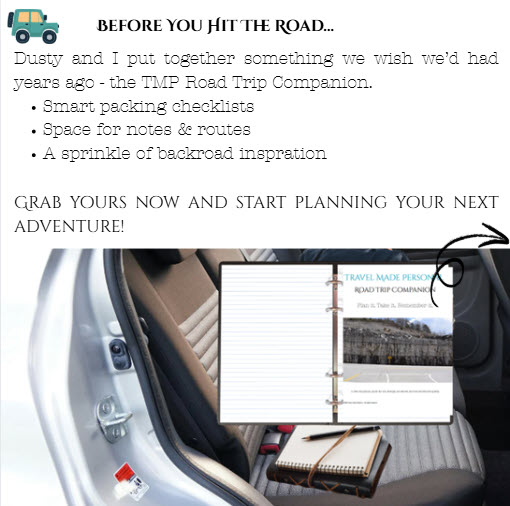
If you love finding places like this—the ones built from stories almost lost—grab your free Road Trip Companion and start uncovering your own hidden history.
Closing
Places like this don’t just preserve the past…
They remind us how easily it can disappear.
Because sometimes… the things we almost throw away…
are the very things that teach us who we were.
If you see this after your page is loaded completely, leafletJS files are missing.