
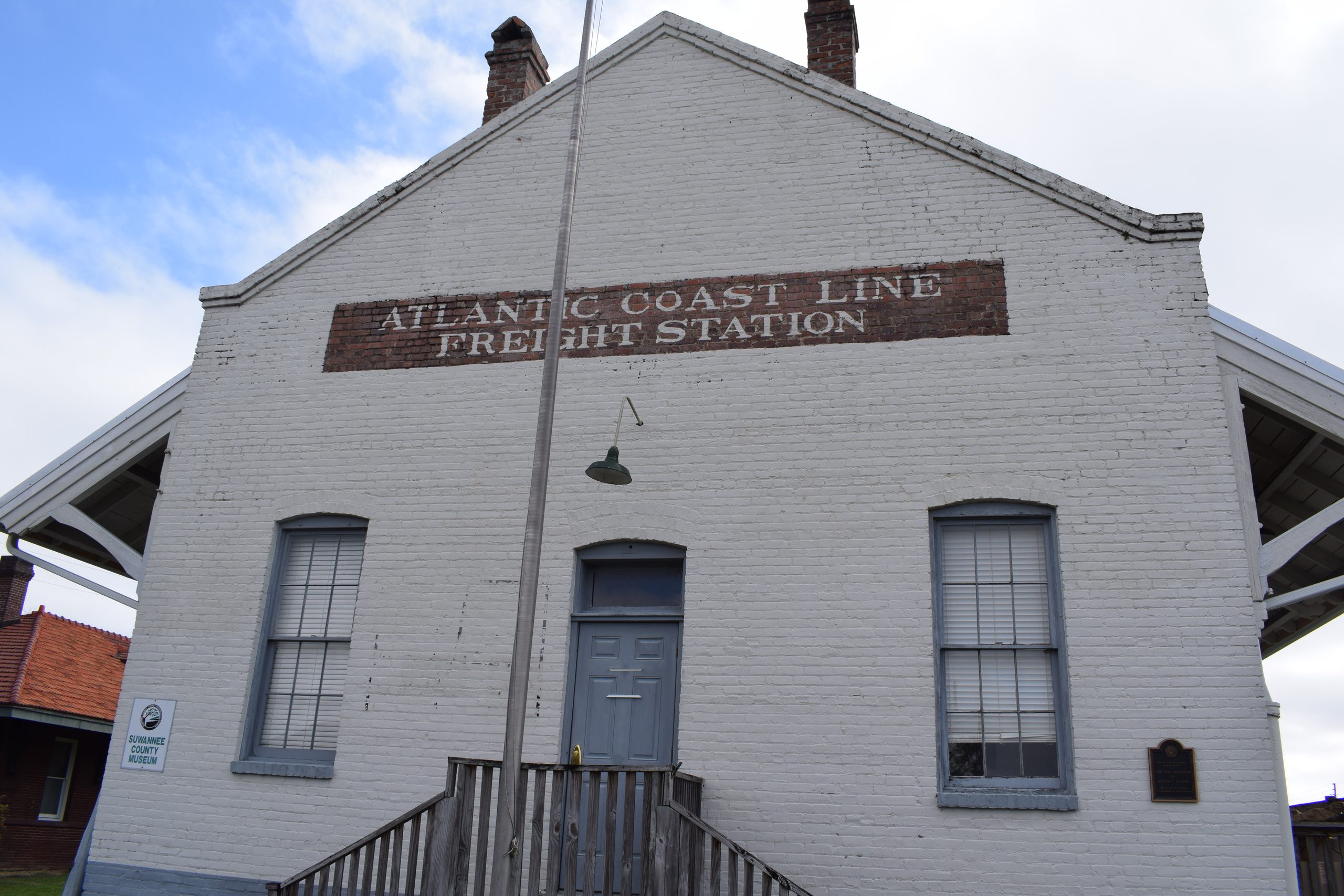
Stories From the Road | Live Oak, Florida
Sometimes, the places that leave the biggest impression are the ones you discover completely by accident.
During one of our earlier adventures exploring Ellaville, Florida, I noticed an old railroad depot in nearby Live Oak. I didn’t have time to stop and explore it then, but I made sure to add it to my list of places to revisit.
Ellaville is another one of those fascinating North Florida communities whose story is closely tied to the railroad. During our explorations of the historic ghost town of Ellaville, we discovered remnants of a once-thriving community that has largely disappeared into the surrounding landscape.
There’s just something about an old railroad station that catches my attention. Maybe it’s the architecture, the history, or the thought of all the people who once passed through its doors.
Whatever the reason, I knew I wanted to see what was inside.
On our next trip through the area, we finally made it back.
And the Suwannee County Historical Museum did not disappoint!
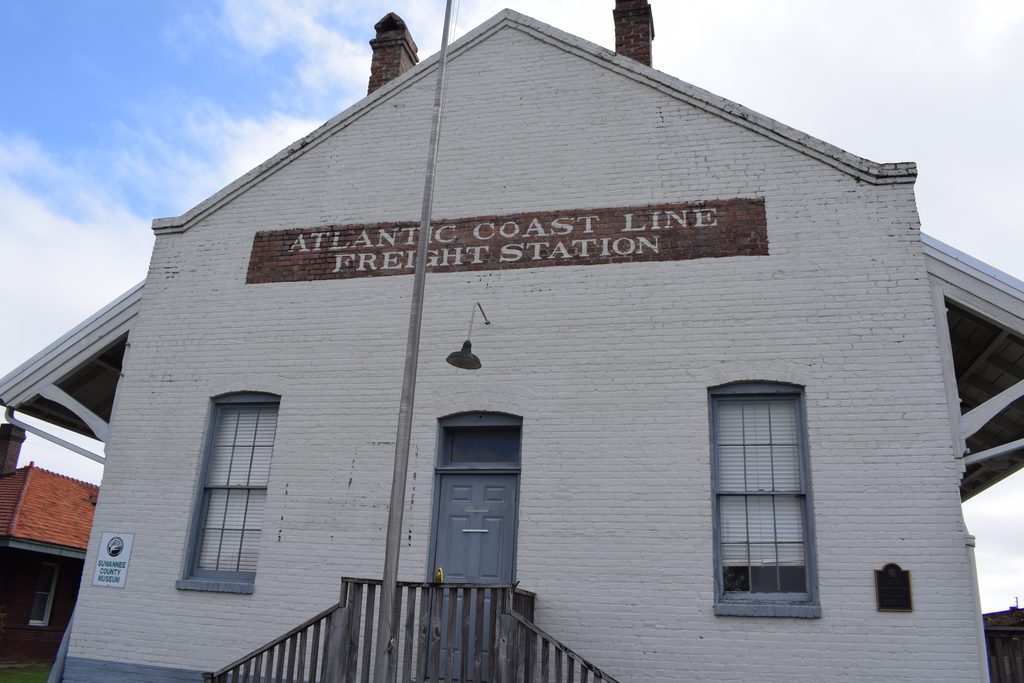
Housed inside a former Atlantic Coast Line freight station built in 1903, this small-town museum preserves generations of local history in a building that once helped shape the community itself.
From railroad artifacts and historical exhibits to a wonderfully enthusiastic museum host and an unforgettable encounter with an antique telephone system, this turned out to be one of my favorite stops of the day.
But before we get to that telephone, let’s explore the history behind this remarkable old depot.
Before the Museum: How the Railroad Helped Build Live Oak
Long before highways carried travelers across North Florida, railroads connected communities, transported agricultural products, and opened new opportunities for growing towns.
Live Oak owes much of its early development to those railroad connections.
According to local tradition, the community received its name from a large live oak tree near the railroad tracks where workers would gather beneath the shade.
Whether every detail of that story is accurate or not, the connection between Live Oak and the railroad is undeniable.
During the second half of the nineteenth century, railroad expansion helped transform the settlement into an important transportation and commercial center.
The surrounding region produced cotton, timber, naval stores, and other agricultural products that needed reliable transportation to distant markets.
Railroads provided that connection.
As freight and passengers moved through Live Oak, businesses expanded, new residents arrived, and the town continued to grow.
By the early twentieth century, Live Oak had become an important railroad junction in North Florida.
And with that growth came the need for larger, more efficient railroad facilities.
The Atlantic Coast Line Freight Station: Built in 1903
In 1903, the Atlantic Coast Line Railroad constructed a substantial brick freight station in Live Oak.
The building was designed to handle the large quantities of goods moving through the region.
Stretching approximately 290 feet in length, the station included warehouse space, offices, loading platforms, and large freight doors.
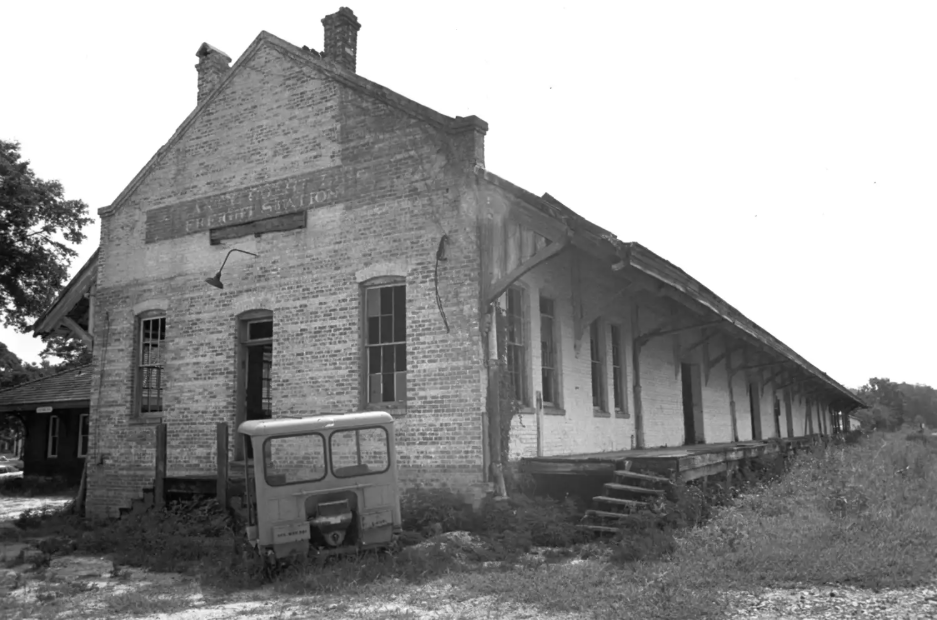
During the height of the area’s railroad activity, products from surrounding farms and industries passed through the depot on their way to markets beyond Suwannee County.
Imagine the activity surrounding this building more than a century ago.
Wagons arriving with cotton and other goods. Workers loading freight cars. Locomotives arriving and departing as railroad employees worked to keep everything moving.
This wasn’t simply a building beside the railroad tracks.
It was an important part of the local economy.
And just a few years later, Live Oak would receive another significant railroad building.
The Union Passenger Depot: Connecting People and Places
While the freight station handled the region’s commercial shipments, passengers needed a station of their own.
On October 1, 1909, the Union Passenger Depot opened in Live Oak.
The new station served travelers using the railroad connections that passed through the community.
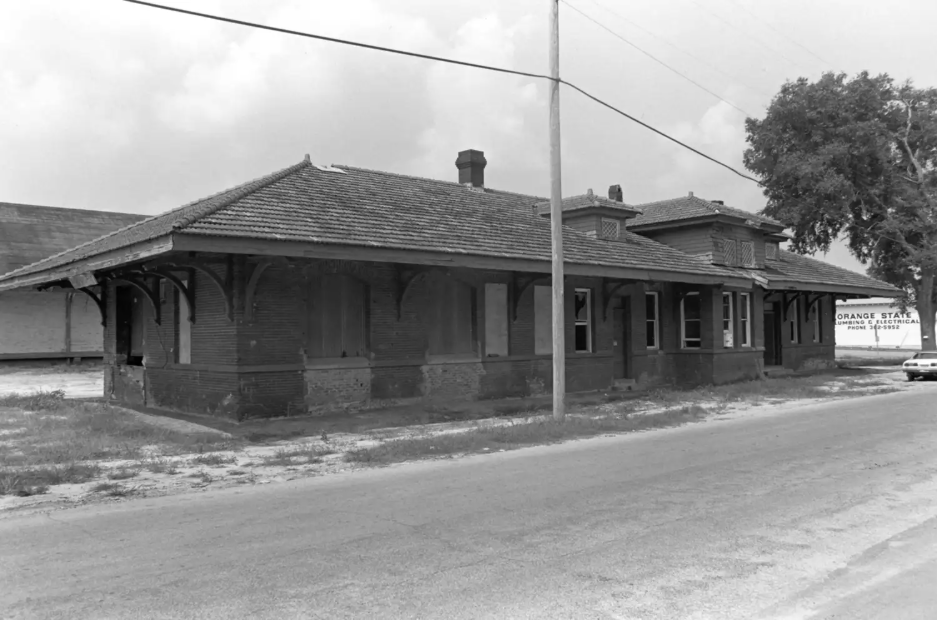
For decades, passenger depots like this were places of constant movement.
Families gathered to welcome loved ones home. Travelers departed for new opportunities. Visitors arrived in communities they might never have reached without the railroad.
There must have been countless stories unfolding on those platforms.
Some joyful. Some heartbreaking. Others simply part of everyday life.
The freight station and passenger depot served different purposes, but together they represented the importance of rail transportation to Live Oak.
The railroad had helped the town grow.
Unfortunately, transportation was beginning to change.
When the Railroad Era Began to Fade
As automobiles became more common and highways expanded throughout the twentieth century, passenger rail travel began to decline.
Businesses increasingly relied on trucks to transport their products, and families who once depended on trains could travel by automobile.
Across America, railroad depots that had once been busy centers of activity began losing their original purpose.
Not far from Live Oak, another reminder of North Florida’s changing transportation history survives at the historic Hillman Bridge near Ellaville. Like the old railroad depots, the bridge offers a glimpse into an earlier era when the region’s roads, railroads, and river crossings looked very different from those we travel today.
Live Oak experienced those changes, too.
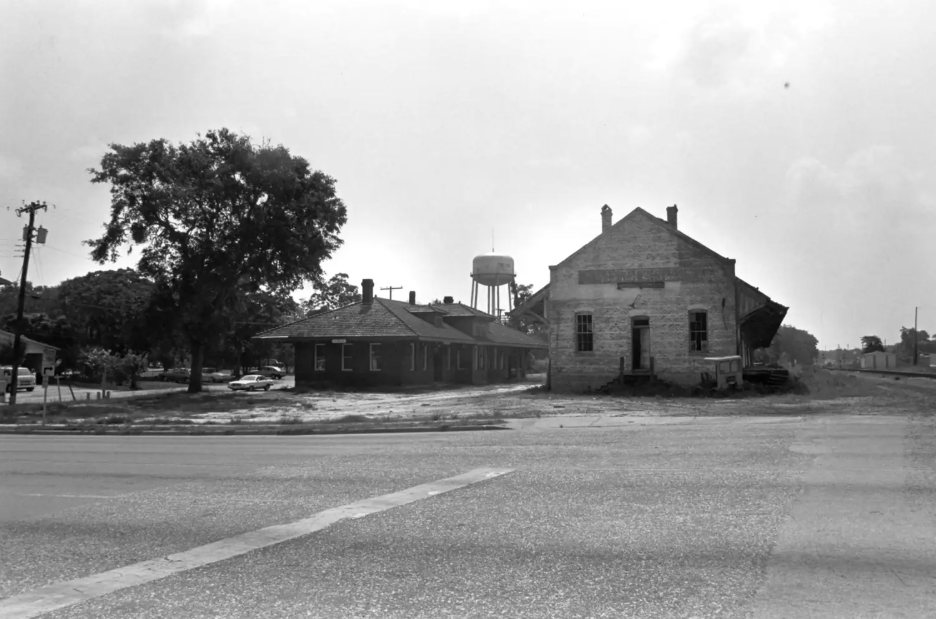
Railroad operations were consolidated, services were reduced, and the importance of the town’s historic railroad facilities gradually diminished.
In May 1971, passenger rail service through Live Oak ended.
The Union Passenger Depot, which had welcomed travelers for more than sixty years, was left without its original purpose.
The freight station also eventually ceased serving the role for which it had been constructed.
For many historic buildings, this is where the story ends.
They stand empty, slowly deteriorate, and eventually disappear.
But the people of Suwannee County had another idea.
Saving a Piece of Suwannee County History
By the 1980s, efforts were underway to preserve Live Oak’s historic railroad buildings.
The Suwannee County Historical Commission had been collecting artifacts and preserving the region’s history, but its existing museum space in the old Live Oak City Hall was becoming inadequate.
The former freight station offered an opportunity to preserve both the building and the county’s growing collection of historical materials.
In 1984, the Union Passenger Depot was acquired by a nonprofit organization called Pride in Action.
The passenger depot was relocated from its original position to a site beside the freight station, protecting it from demolition.
Moving an old railroad building was no small accomplishment, but the effort helped ensure that an important piece of Live Oak’s transportation history would survive.
Preservation work also moved forward on the freight station.
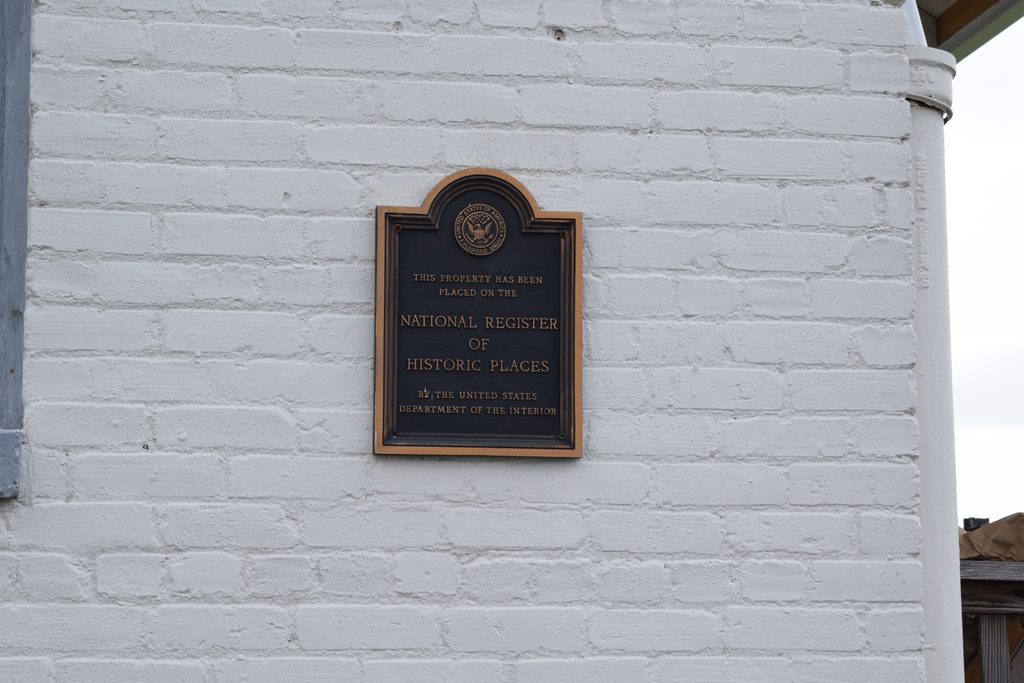
On April 24, 1986, the historic depot complex was added to the National Register of Historic Places.
By 1990, renovations had transformed the old freight station into a home for the Suwannee County Historical Museum.
A building that once handled cotton, timber, and other commercial goods now held photographs, documents, artifacts, and the memories of generations.
Instead of moving the products of Suwannee County out into the world, the depot began welcoming visitors inside to discover the county’s past.
And that’s the building we came to explore.
Our Visit: A Museum Worth Coming Back For
I’m beginning to think old railroad depots might be some of my favorite museums.
So far, we’re two for two!
When we arrived at the Suwannee County Historical Museum, we were greeted by a lovely lady who seemed genuinely thrilled that we’d stopped in.
She was friendly, enthusiastic, and eager to talk with us.
She even wanted to take our picture!
I love encounters like that.
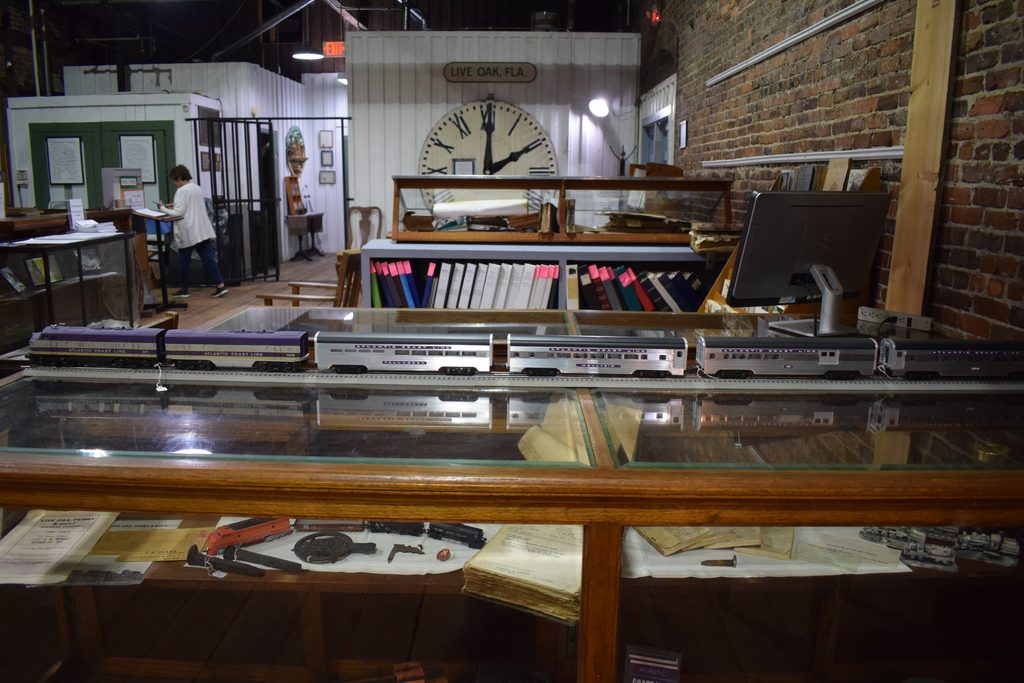
There’s something special about visiting a small historical museum where the people caring for it seem genuinely excited to share their community’s history.
After welcoming us, she gave us the freedom to explore at our own pace.
And that’s exactly what we did.
I wandered through the exhibits, taking photographs and studying the various displays.
Lots of photographs.
Probably enough to make someone wonder whether I intended to document every square inch of the building.
But our host didn’t seem to mind at all.
And I appreciated that.
Some museums feel like places where you’re expected to move quickly from one display to the next.
This one felt different.
We could slow down, look closely at the objects that caught our attention, and enjoy discovering the stories preserved inside.
And because the museum occupies the original freight station, the building itself is part of the experience.
Those old brick walls have witnessed more than a century of change.
They stood here when railroad workers were loading freight and Live Oak was growing around the tracks.
Now they shelter the artifacts and memories of the people who helped shape the community.
I think there’s something wonderful about that.
Exploring the Exhibits: More Than Railroad History
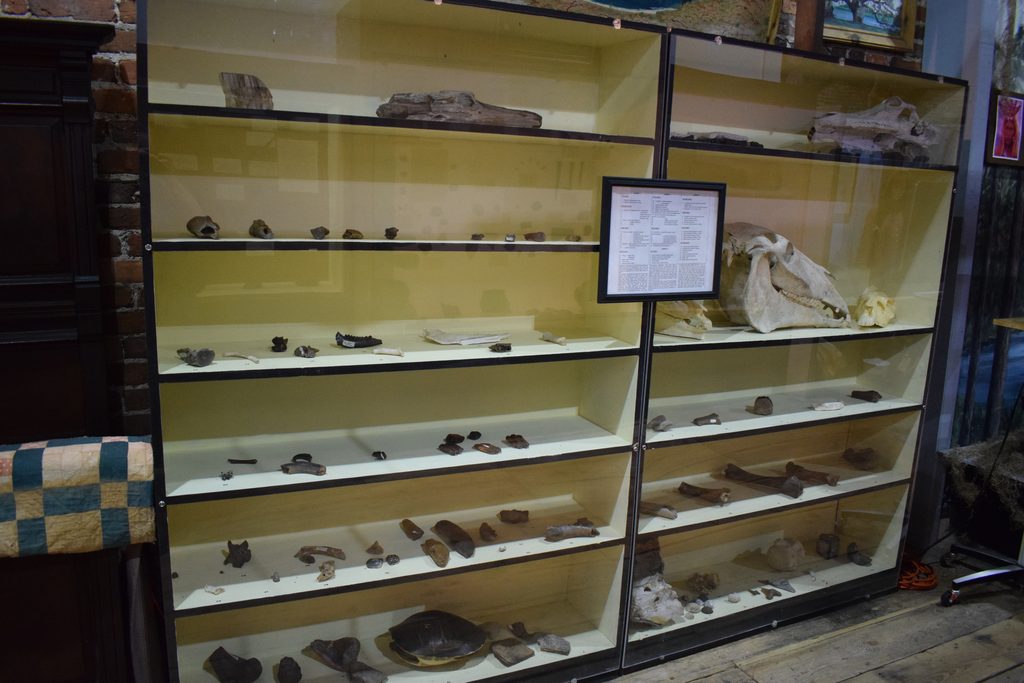
Although the museum’s building is closely connected to the railroad, the collections explore a much broader history of Suwannee County.
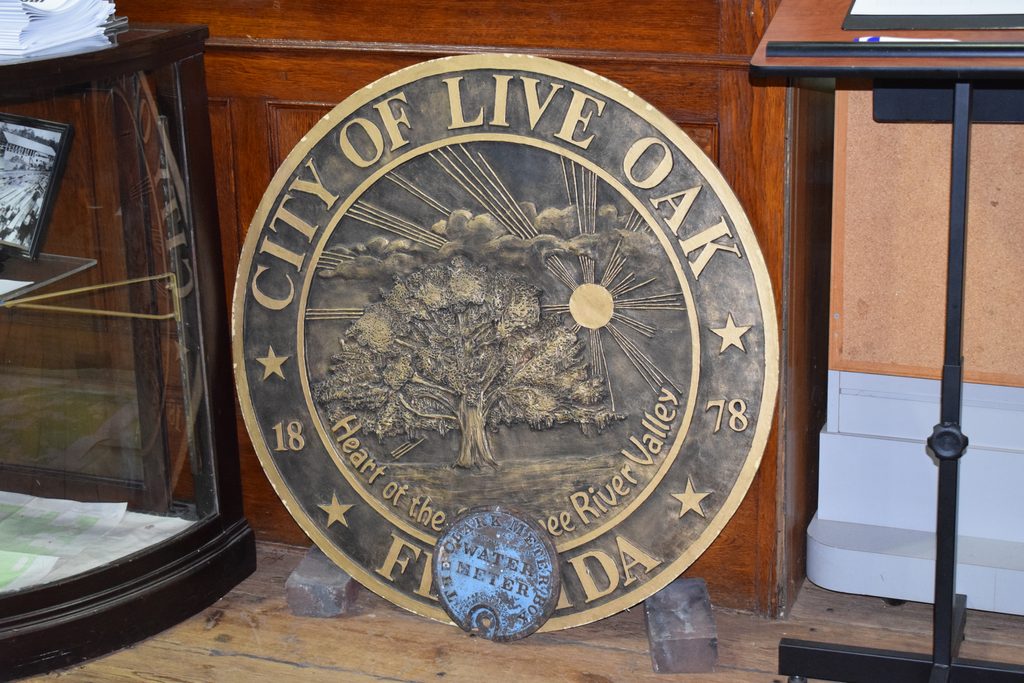
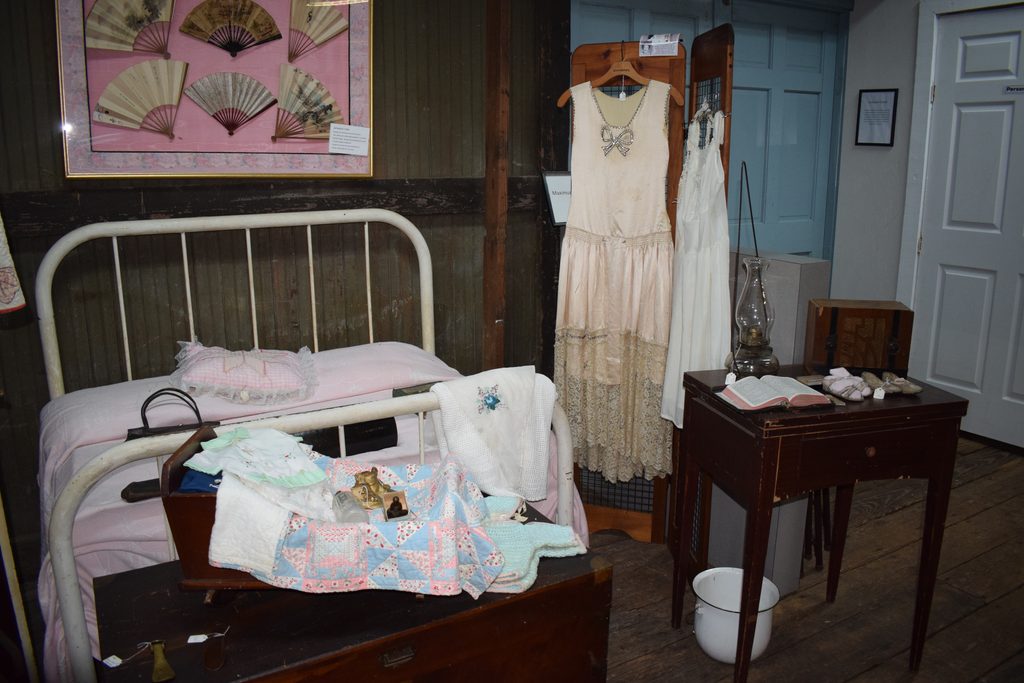
The exhibits include historic photographs, archaeological materials, fossils, and objects connected to the everyday lives of local residents.
One notable display recreates a sixteenth-century Timucuan village, offering visitors an introduction to the Indigenous history of the region.
Long before railroad tracks crossed North Florida, Indigenous communities lived throughout this landscape.
Their history reminds us that the story of this area began long before the arrival of railroads or the establishment of modern towns.
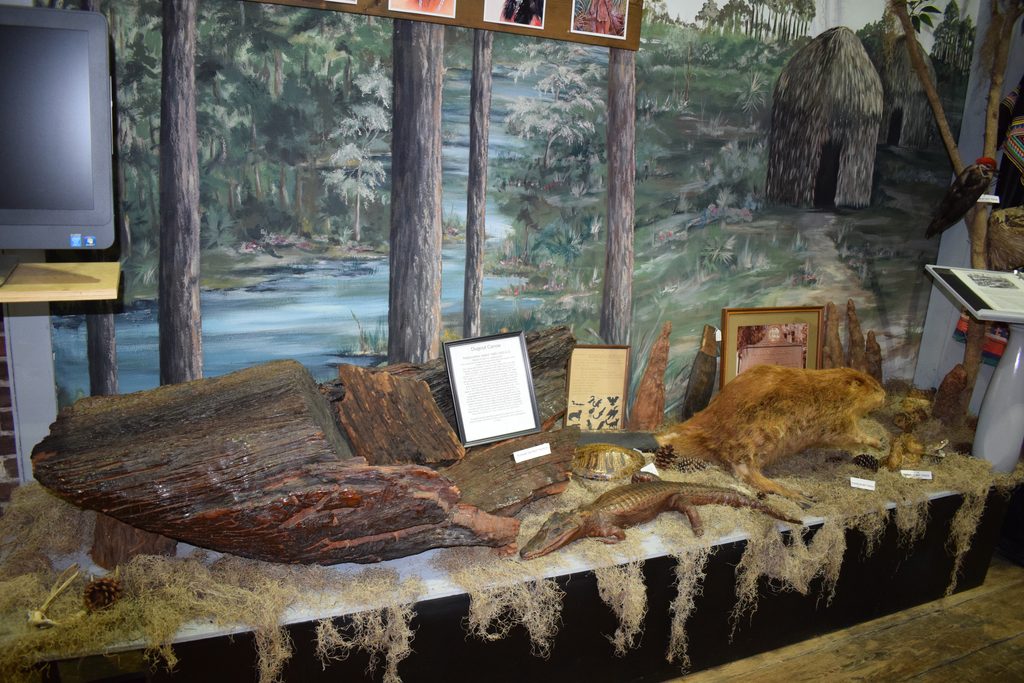
Other exhibits preserve objects associated with local industries, communication, households, and community life.
And those everyday objects are often some of my favorites.
History isn’t made only by famous people or major events.
It’s also made by ordinary people living their lives.
Families raising children. Workers earning a living. Communities adapting as technology and society change.
Sometimes, a simple object tells a surprisingly powerful story about the people who used it.
And sometimes, that object turns out to be a whole lot more entertaining than you expected.
Which brings me to my favorite part of our visit.
The Antique Telephone System: Our Favorite Discovery!
Of all the things we discovered inside the Suwannee County Historical Museum, one exhibit stood out above the rest.
An antique telephone system.
And the best part?
We actually got to try it!
Now, this equipment was from a time before either of us was born.
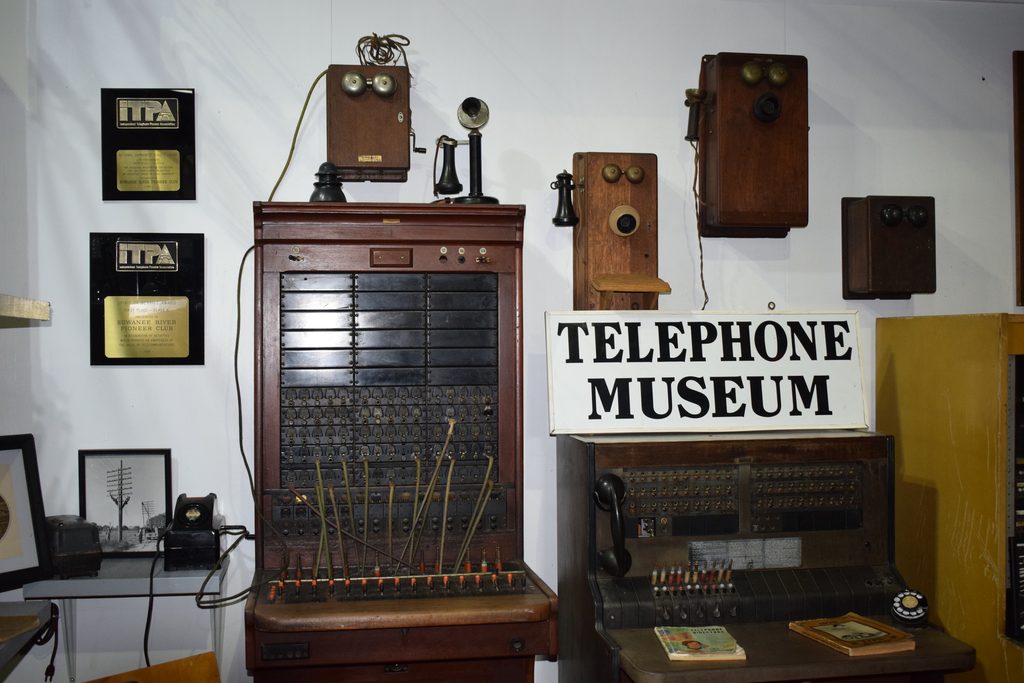
So naturally, we approached it with the confidence of two people who had absolutely no idea what they were doing.
It took us a little while to figure out how everything worked.
There was some experimenting, a bit of trial and error, and probably a fair amount of wondering whether we were doing something completely wrong.
But eventually, we got it!
And GOOD GRIEF, that thing was loud!
It was startling, a little intimidating, and absolutely fascinating.
We loved it!
There’s something special about experiencing historical technology rather than simply looking at it.
Today, most of us carry tiny computers in our pockets that allow us to communicate with people around the world almost instantly.
But communication wasn’t always so simple.
Older telephone systems required equipment and procedures that are almost unimaginable to someone who has only ever used a modern smartphone.
Getting to operate that equipment gave us a little glimpse into a different era.
And judging by the noise, it was an era that apparently didn’t believe in subtlety!
We had so much fun figuring it out.
It’s one of those little moments that will probably stay with me longer than many of the exhibits we saw.
Because sometimes, the most memorable part of visiting a museum isn’t simply learning something new.
It’s getting to experience something you never expected.
An Unexpected History Lesson Before We Left
Eventually, it was time to leave.
But our friendly museum host had one more story to share.
Before we headed out, she started telling us about the Dixie Mafia and Phenix City, Alabama.
Now, that was certainly an unexpected turn in the conversation!
We’d come to a historic railroad depot in North Florida to learn about Suwannee County.
And somehow, we were leaving with a new historical mystery to investigate in Alabama.
But that’s one of the things I love most about traveling.
You never know where the next adventure will come from.
Sometimes, it’s a roadside sign.
Sometimes, it’s an old building you happen to notice while passing through town.
And sometimes, it’s a conversation with someone who knows a story you’ve never heard before.
Needless to say, Phenix City has now earned a place on our ever-growing list of future adventures.
Apparently, we can’t finish one trip without finding another reason to hit the road.
Not that I’m complaining!
Why Historic Preservation Matters
The Suwannee County Historical Museum is a wonderful example of what can happen when a community decides its history is worth preserving.
The freight station was built for a specific purpose.
For decades, it served the railroad industry that helped Live Oak develop into a thriving community.
But when that original purpose disappeared, the building didn’t have to disappear with it.
Instead, the people of Suwannee County found a way to give it another chapter.
Today, visitors can explore local history inside a building that helped create that history.
And I think that makes the museum particularly meaningful.
Historic preservation isn’t always about keeping a building exactly as it was when it was constructed.
Sometimes, it’s about finding a new purpose that allows the building to remain part of the community.
The old freight station no longer ships goods across Florida.
But it still serves Live Oak.
And because of the people who worked to preserve it, future generations can experience a tangible connection to the town’s railroad heritage.
Planning Your Visit to the Suwannee County Historical Museum
If you’re exploring North Florida, the Suwannee County Historical Museum is a worthwhile addition to your itinerary, particularly if you enjoy railroad history, small-town museums, or historic architecture.
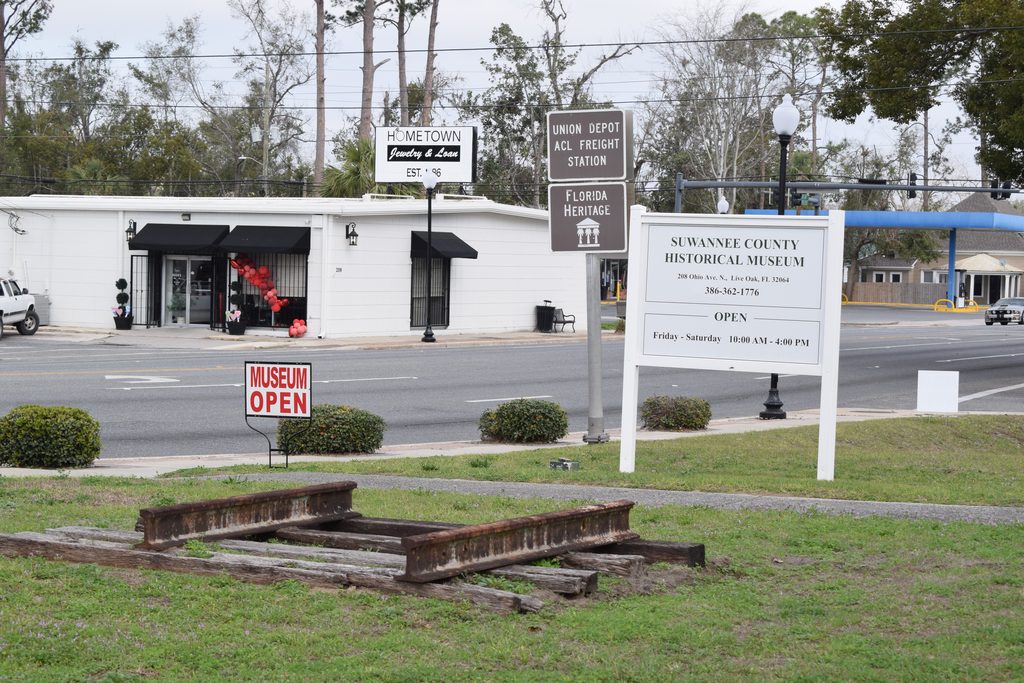
Location: Suwannee County Historical Museum, 208 North Ohio Avenue, Live Oak, Florida.
What to expect: A local history museum housed inside the historic Atlantic Coast Line freight station, featuring exhibits related to the county’s history, railroad heritage, archaeology, and everyday life.
Allow time to explore: I’d recommend setting aside approximately 45 minutes to an hour, depending on how much time you enjoy spending with individual exhibits.
Photography: We were allowed to take photographs during our visit, but it’s always a good idea to confirm current photography policies with museum staff.
Before you go: Check current operating hours, admission information, and any temporary closures before making the trip. Small museums sometimes operate on limited schedules.
If you’re planning a day of exploring North Florida, consider combining your museum visit with a trip to Suwannee River State Park. Between its scenic trails, Civil War earthworks, historic cemetery, and the remains of the lost town of Columbus, the park offers another fascinating opportunity to discover the layers of history hidden throughout this region.
And if you happen to find that antique telephone system, be prepared.
It might be a little louder than you expect!
What Stayed With Me
When I first spotted the old depot during an earlier trip, I had no idea how much I would enjoy returning to explore it.
I simply saw an interesting historic building and thought it deserved a place on our itinerary.
And I’m so glad we came back.
Of course, I enjoyed learning about the railroad and seeing the museum’s collections.
But what made this visit particularly memorable wasn’t just the history.
It was the experience.
The warm welcome from our museum host.
The freedom to wander through the exhibits and take photographs.
The laughter and surprise of figuring out that old telephone system.
And the unexpected conversation that sent us home with another destination to investigate.
Those are the little moments that make traveling personal.
The history gives a place its significance.
But the experiences we have while exploring it are what make the memories our own.
Final Thoughts: A Railroad Depot With Another Story to Tell
More than a century ago, the Atlantic Coast Line freight station helped connect Live Oak to the wider world.
It was a place of commerce, industry, and movement.
Today, its purpose is different.
Instead of sending goods across the country, it welcomes visitors who want to discover the stories of Suwannee County.
And in many ways, that’s just as important.
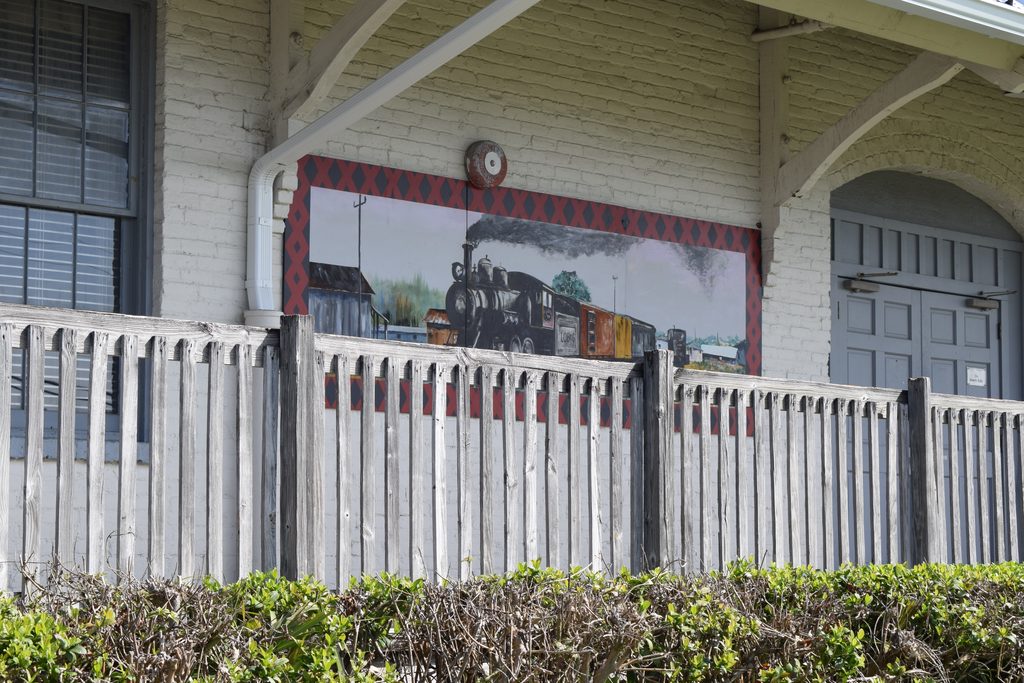
The Suwannee County Historical Museum reminds us that old buildings don’t have to become forgotten relics.
Sometimes, with a little determination and a community willing to preserve its past, they can become something wonderful again.
I’m grateful we had the opportunity to explore this one.
And I’m already looking forward to discovering the next old railroad depot waiting somewhere along the road.
Because apparently, I’ve developed a bit of a weakness for them.
Have you ever visited a small-town museum that completely surprised you? I’d love to hear about it in the comments!
And if you’d like to see more of our visit, including the exhibits and our unforgettable encounter with the antique telephone system, come along for the full adventure on YouTube.
Until next time, keep exploring, stay curious, and remember…
Every place has a story. Sometimes, you just have to stop long enough to hear it.
🚂 Love discovering the history hiding along America’s backroads?
From forgotten railroad depots and lost communities to unexpected discoveries in small-town museums, there’s always another story waiting to be told!
Join the Travel Made Personal mailing list for our monthly newsletter featuring new adventures, fascinating history, behind-the-scenes moments, and the occasional bit of mischief from the road.
📬 Subscribe today and let’s keep exploring together!

If you see this after your page is loaded completely, leafletJS files are missing.